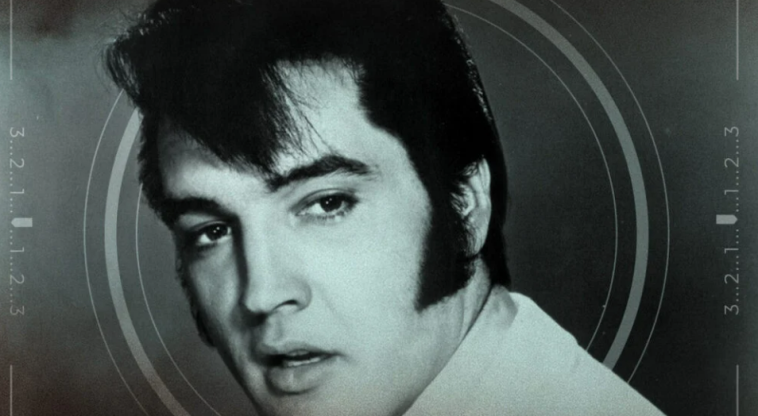
Elvis Presley remains one of the most legendary figures in music history, but the final years of his life were marked by declining health, addiction struggles, and intense public scrutiny. Decades after his death, fans around the world are still fascinated by the details surrounding his final days — including the heartbreaking story of his last meal.
On August 16, 1977, the King of Rock and Roll reportedly ate a simple late-night snack before he died at his home, Graceland. According to reports from people close to Presley, his final meal consisted of four scoops of ice cream and six chocolate chip cookies.
Only hours later, Elvis Presley was found unconscious on the bathroom floor of Graceland. He was pronounced dead later that day at just 42 years old after suffering cardiac arrest.
Elvis Presley’s Complicated Relationship With Food
Throughout his life, Elvis Presley had a deeply emotional connection to food. Friends and former staff members often described eating as one of the few things that brought him comfort during the pressures of fame.
Mary Jenkins, who cooked for Elvis at Graceland for many years, once explained that the singer found happiness in simple home-cooked meals. Despite being one of the world’s most famous entertainers, Elvis often craved familiar Southern comfort food rather than luxury dining experiences.
Over time, however, his eating habits became increasingly unhealthy. During the later years of his career, Presley reportedly consumed enormous amounts of food late at night while also struggling with prescription drug dependency and poor sleep patterns.
Stories about his diet became tabloid headlines across America. Reports claimed Elvis could eat pounds of bacon in a single sitting, consume massive Spanish omelets, and order large amounts of desserts and ice cream almost daily.
The Public Mockery of Elvis Presley’s Weight Gain
As Elvis Presley gained weight during the 1970s, the media became increasingly cruel toward him. Newspapers and magazines frequently mocked his appearance, focusing heavily on his eating habits and physical decline rather than his musical achievements.
At the height of his fame in the 1950s and 1960s, Elvis had been considered one of the most attractive men in entertainment. His charisma, voice, and stage presence helped redefine modern pop culture and inspired generations of musicians.

But by the final years of his life, the intense pressure of fame, constant touring, emotional struggles, and addiction issues had clearly taken a toll on his health.
Despite the negative headlines, fans continued supporting him until the very end. Even during his final concerts, Elvis still attracted enormous crowds and remained one of the most recognizable celebrities in the world.
Elvis Presley’s Death Shocked the World
When Elvis Presley died in 1977, the news sent shockwaves through the entertainment industry. Millions of grieving fans gathered outside Graceland to mourn the singer whose music had changed rock and roll forever.
The fascination surrounding his death quickly became overwhelming. One of the most controversial moments came when a tabloid reportedly paid a relative to secretly photograph Elvis inside his casket. The publication sold millions of copies, further fueling public obsession with the tragedy.
Only weeks after his funeral, there was even an attempted theft of Elvis Presley’s body, highlighting the bizarre level of fascination people had with the singer and his legacy.
Elvis Presley’s Legacy Still Lives On
Nearly five decades after his death, Elvis Presley continues to influence artists across music, film, and pop culture. His songs, performances, and unique style helped shape modern rock music and transformed celebrity culture forever.
Today, Graceland remains one of America’s most visited celebrity landmarks, welcoming fans from around the world who still want to feel connected to the King of Rock and Roll.
Although his final years were filled with personal struggles, Elvis Presley’s cultural impact remains undeniable. His story continues to fascinate audiences because it combines extraordinary success with heartbreaking vulnerability — a reminder that even global icons can struggle behind the scenes.