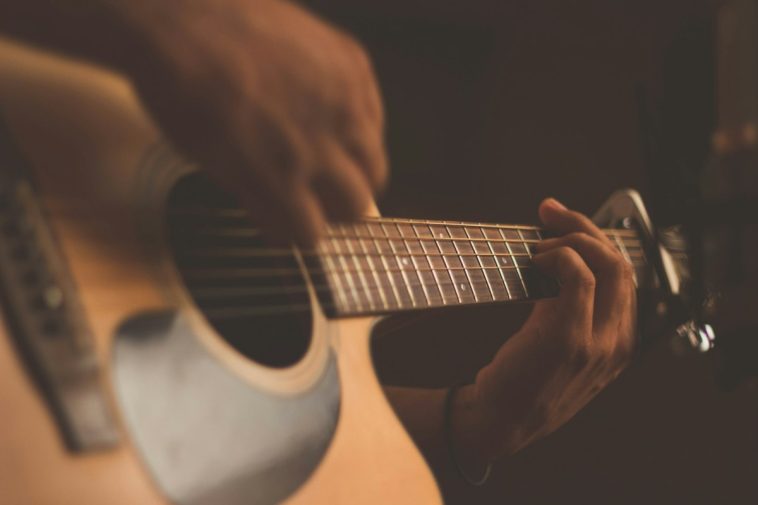
In the fiercely competitive upper stratosphere of international cultural collecting, where museum curators, tech titans, and sovereign wealth funds vie for the defining artifacts of the 20th century, one name commands unmatched financial gravity: Elvis Presley. Over recent auction cycles at Sotheby’s, Christie’s, Julien’s, and the official Graceland Auctions, historic Presley relics—ranging from stage-played hollow-body electric guitars to bespoke jewelry and handwritten lyrics—have consistently shattered pre-sale estimates, demonstrating an insatiable global appetite that shows no signs of slowing down.
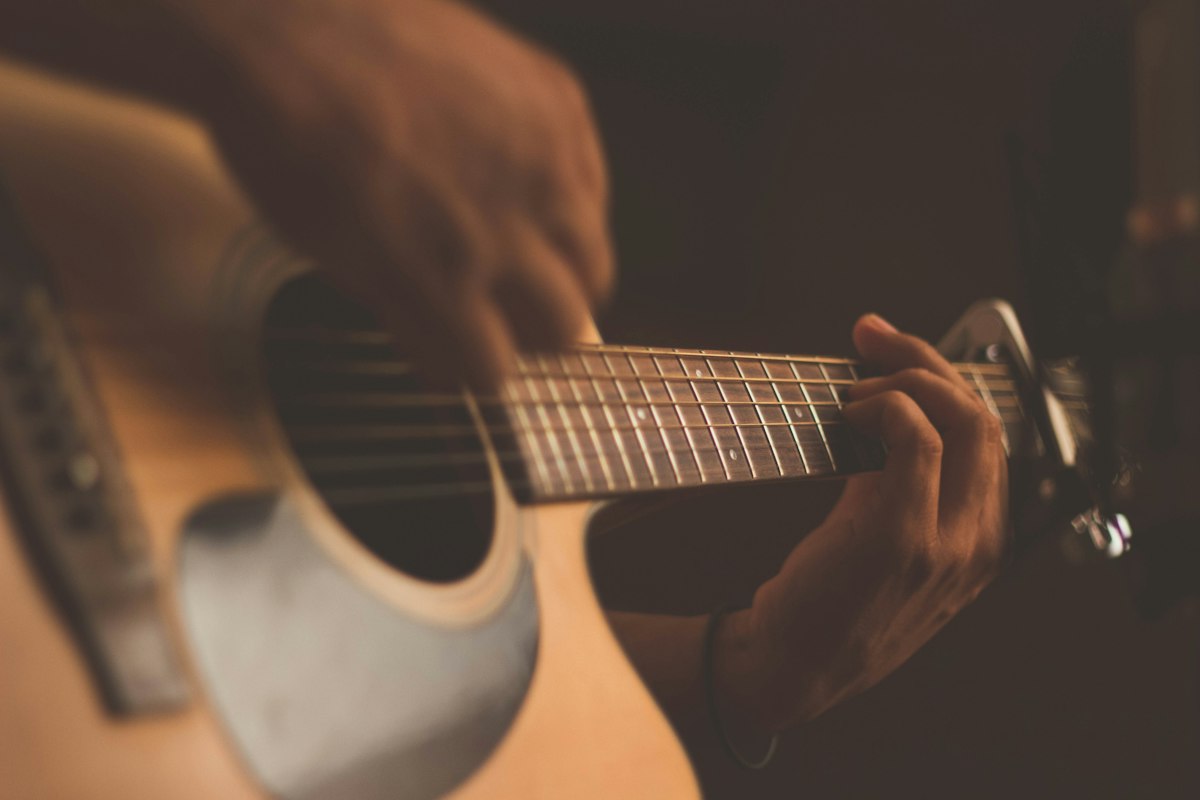
The Holy Grails: Stage Guitars That Made History
While thousands of items cross the auction block each year, instruments touched by Elvis during pivotal career crossroads command the highest valuation multipliers. Chief among them are guitars associated with his iconic television specials and breakthrough studio years:
- The 1968 Comeback Hagstrom Viking II: The cherry-red semi-hollow electric guitar famously borrowed from session legend Al Casey and played by Elvis throughout the opening numbers of his 1968 NBC TV Special sold at auction for an astonishing $625,000, establishing a benchmark for television performance relics.
- Sun Records Martin D-18 (1942): The weathered acoustic guitar Elvis strummed while recording “That’s All Right” and “Blue Moon of Kentucky” at 706 Union Avenue in Memphis, adorned with metal adhesive letters spelling “ELVIS,” fetched over $1.3 million—securing its place among the most valuable acoustic guitars in existence.
- The 1956 Gibson J-200: The legendary “King of the Flat-Tops” played during the dizzying breakthrough chronicled in our retrospective on the 70th anniversary of Elvis’s historic 1956 year, which established his kinetic stage presence across America.
Beyond Guitars: The Booming Market for Vehicles and Watches
Presley was renowned for his generosity, frequently gifting cars, motorcycles, and luxury timepieces on a whim to friends, security guards, and even complete strangers. Today, those personal gifts represent museum-caliber investments. As we tracked in our market feature on how Elvis Presley’s customized Honda CL72 Scrambler motorcycle went under the hammer, vintage motorbikes and hot rods linked to his personal fleet routinely command ten times the value of standard models.
Similarly, the luxury horology market has witnessed intense bidding wars over his personal timepieces. From diamond-set Omega constellation dress watches to the solid-gold Rolex King Midas detailed in our study of Elvis Presley’s personal watch collection, collectors view his timepieces as intimate, wearable milestones of his daily life.
The Mystique of the TCB Pendant and Stage Jewelry
Few pieces of personal adornment are as deeply coveted as genuine Memphis Mafia jewelry. In our deep-dive analysis on the origin and meaning of the Elvis Presley TCB necklace, we detailed how Presley commissioned local jeweler Lowell Hays to cast solid-gold pendants featuring the lightning bolt logo symbolizing “Taking Care of Business in a Flash.”
When an authentic, estate-authenticated TCB pendant with documented provenance appears at auction, bids swiftly climb beyond $150,000. Beyond necklaces, stage-worn lion-head rings encrusted with rubies and diamonds, designed to channel Presley’s Leo zodiac energy, continue to attract fierce competitive bidding from private collectors across Asia, Europe, and North America.
Provenance and Authentication: Navigating the High-End Market
With values reaching multi-million-dollar heights, authentication has become a rigorous scientific discipline. Leading auction houses now collaborate directly with Angie Marchese and the official Graceland Archives, utilizing forensic handwriting analysis for contracts, historical photo-matching for stage-worn garments, and serial-number provenance tracing.
This strict vetting process ensures that pieces featured in international showcases—such as Graceland’s blockbuster ELVIS: The Fashion Icon exhibition—maintain unquestionable historical integrity. For investors, high-end Elvis memorabilia is increasingly categorized as an alternative asset class akin to fine art by Warhol or Basquiat, offering tangible cultural value that appreciates over time.
Why the Elvis Market Will Never Fade
Trends in pop culture come and go, but Elvis Presley occupies a singular, unassailable position as the architect of modern celebrity culture. Every modern stadium tour, every artist clothing line, and every rock and roll anthem traces its ancestry back to his footsteps. As younger generations discover his catalog through cinematic masterpieces like the EPiC concert documentary and high-tech experiences like the upcoming Las Vegas residency, the market for his personal relics will continue to set the global standard for rock royalty.