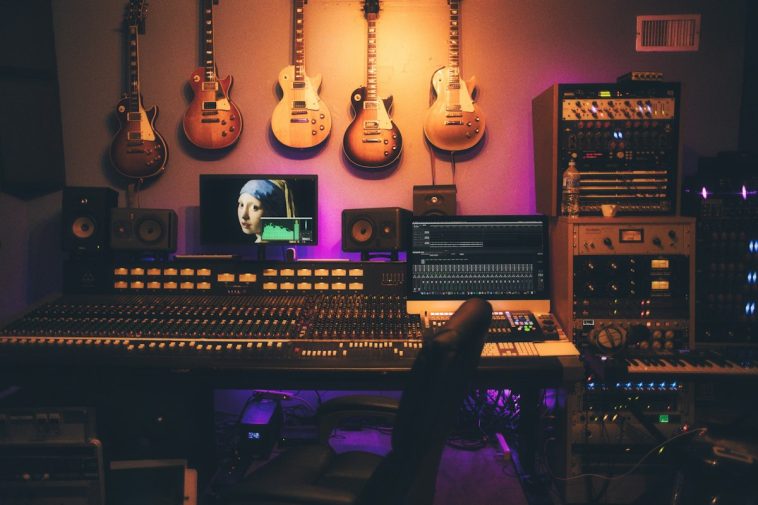
While music historians rightfully venerate the echo-drenched Sun Studio sessions in Memphis and the frenetic late-night marathons in Nashville’s Studio B, serious Presley connoisseurs have long harbored a special reverence for RCA’s Studio C on Sunset Boulevard in Hollywood. Between 1970 and 1975, this low-lit studio served as Elvis Presley’s sonic laboratory—an intimate sanctuary where, away from screaming stadium crowds and management demands, the King laid down some of the most emotionally raw, rhythmically ferocious music of his entire career. Now, Sony Legacy’s monumental multi-disc collection, Elvis: Sunset Boulevard, finally flings open the studio double-doors to reveal hundreds of minutes of unreleased outtakes, rehearsals, and candid creative breakthroughs.
The Hollywood Oasis: Escaping the Soundstage Trap
Throughout the 1960s, Hollywood represented artistic confinement for Elvis. Bound to grueling multi-picture contracts, he was forced to churn out lighthearted soundtracks that rarely engaged his immense musical capabilities. Following his triumph in the 1968 NBC television special and his historic 1969 return to live performance at the International Hotel in Las Vegas, Presley made a deliberate, non-negotiable demand: when recording in California, he would no longer record movie soundtrack filler. He would record strictly for himself.
RCA’s Sunset Boulevard facility offered the ideal environment. Equipped with state-of-the-art 16-track and later 24-track analog tape recorders, intimate acoustics, and no studio audience, it allowed Elvis to gather the cream of American session musicians—including guitar virtuoso James Burton, pianist Glen D. Hardin, bass legend Emory Gordy Jr., and drummer Ronnie Tutt—to experiment at their own pace.
Unpacking the Masterpieces: From “Burning Love” to “Always On My Mind”
The centerpiece of the Sunset Boulevard collection is the March 1972 recording block, widely considered one of the greatest sustained hot streaks in 1970s rock history. Over the course of three nocturnal sessions, Elvis laid down a run of definitive classics:
- “Burning Love” (Takes 1–6): Dennis Linde’s hard-driving rock composition initially baffled Presley, who was hesitant about cutting heavy rock after years of dramatic ballads. The box set reveals the exact moment Elvis found the groove—teasing his rhythm section, pushing Ronnie Tutt’s snare beat into overdrive, and laughing as he ad-libs the soaring “hunka hunka burning love” coda.
- “Always On My Mind” (Uncut Session Masters): Recorded just weeks after his formal separation from Priscilla Presley, the raw vocal takes on this ballad contain a heartbreaking fragility. Stripped of the lush string overdubs that later accompanied the single release, Presley’s solitary voice over acoustic guitar and piano lays bare an honest portrait of romantic regret.
- “Separate Ways” & “For The Good Times”: Towering vocal workouts that showcase Presley’s incredible breath control and dynamic range, transitioning seamlessly from a husky lower baritone into ringing, operatic high notes.
- Informal Jam Sessions: Spontaneous, off-the-cuff warmups featuring Elvis ripping through blues riffs by Chuck Berry, gospel harmonies with J.D. Sumner & The Stamps, and impromptu country duets.
Behind the Glass: The Chemistry of the TCB Band
What sets Sunset Boulevard apart from ordinary retrospective releases is the inclusion of extensive between-take studio chatter. Listeners hear Elvis acting as the de facto producer—adjusting tempos, requesting different guitar voicings from James Burton, and coaching backing singers on vocal blend.

This intimate studio dynamic connects directly with our deep dive on the legendary rhythm section and bass players who anchored Elvis’s sound. Far from a detached superstar handing down orders, Presley worked as a peer among elite musicians. This relaxed camaraderie was also famous in his arena concerts, echoed in our classic archive piece on how Elvis joked and bantered onstage between numbers.
Audiophile Restoration: Pristine Analog Transfers
Archival sound engineers oversaw the transfer of the original two-inch analog multi-tracks at 192kHz/24-bit resolution, ensuring maximum dynamic headroom and warmth. Unlike earlier digital masterings that suffered from aggressive compression, the new mixes present a wide, natural soundstage where each instrument occupies its own three-dimensional space.
The audio restoration parallels the visual breakthrough achieved in Baz Luhrmann’s EPiC: Elvis Presley in Concert documentary, which drew on footage shot during these exact same months in 1970–1972. Together, they form an unshakeable audio-visual monument to Presley’s peak creative powers.
Why Sunset Boulevard Redefines the Presley Canon
For decades, critics who favored his early Sun Records material tended to dismiss his 1970s studio work as over-produced. The stripped-back, unadorned tracks of Elvis: Sunset Boulevard thoroughly dismantle that outdated myth. When you hear Elvis Presley counting off a track in the dim glow of RCA Studio C, commanding his band with a flick of his wrist, you are listening to one of the most vital, inspired musical forces the world has ever witnessed.