Elvis Presley stage presence 1972 — most people who saw Elvis perform experienced him from a distance. Rows back in an arena, or further still in the upper tiers where the spotlights blurred the details. They felt the force of it without necessarily being able to explain what they were feeling.
But in 1972, a trombone player stood just a few feet away from Elvis Presley on stage — not as a fan, not as an observer, but as a trained musician with ears calibrated to notice exactly what another performer was doing and how they were doing it.
What he saw changed the way he understood what Elvis actually was.
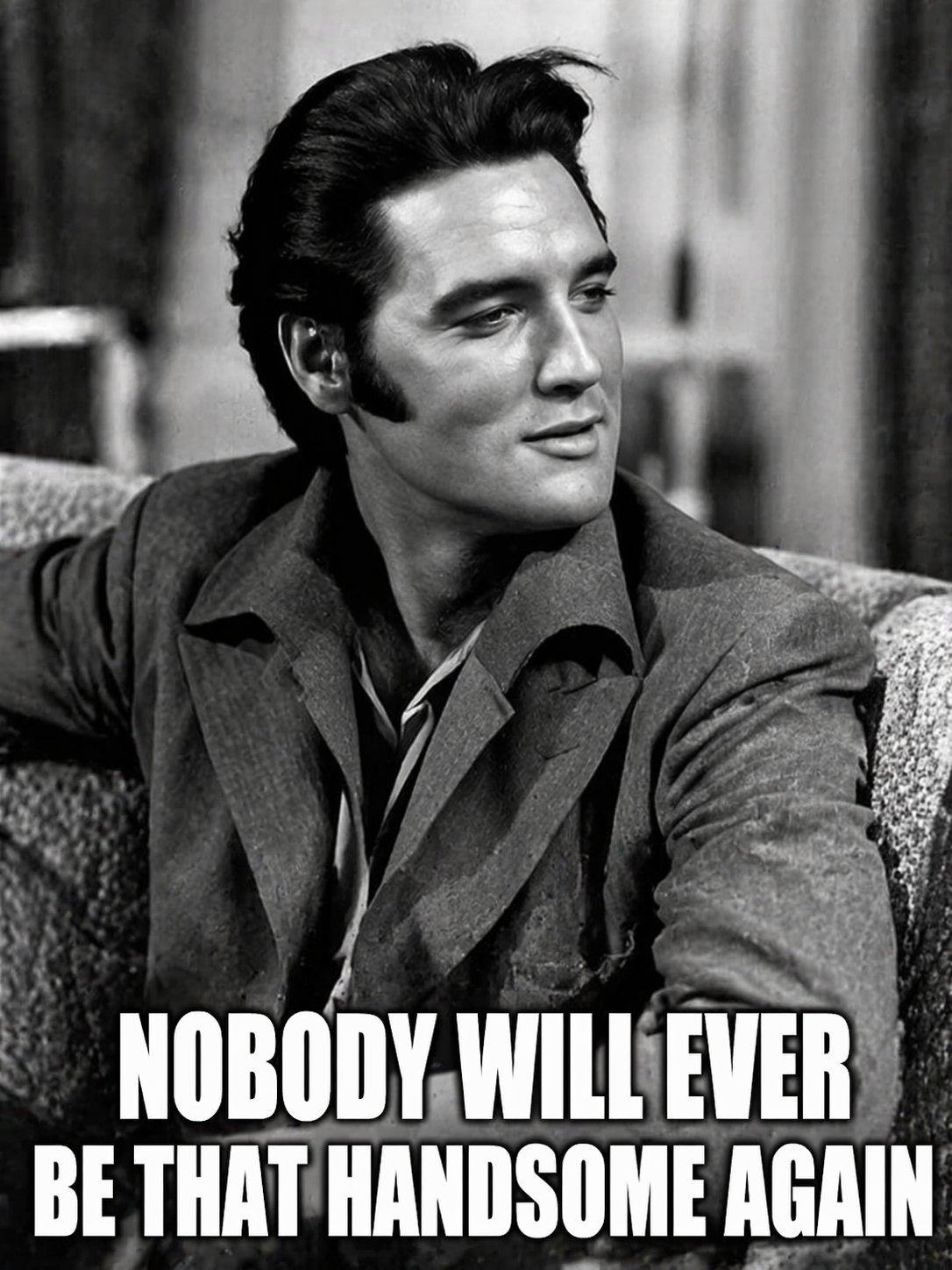
The View From the Stage
A working musician hears differently than an audience does.
Where a fan feels emotion, a musician tracks the mechanics behind it — the breath control that sustains a note without strain, the tonal choices that give a voice its particular color, the rhythmic instincts that make a phrase feel inevitable rather than constructed. These are the technical foundations underneath any great performance, and they can be identified, analyzed, and discussed.
Elvis had all of it.
Breath control that allowed him to hold and shape notes with an ease that belied the physical effort involved. A tone that shifted registers with unusual naturalness — from the soft, almost conversational lower range to the full-throated upper notes that made arenas erupt. Phrasing that bent around the beat in the way that blues and gospel had taught him, never quite where you expected it but always exactly where it needed to be.
By any technical measure, the trombone player recalled, Elvis was the complete article.
But that was not what he remembered most.
The Thing That Cannot Be Taught
What stopped the musician in his tracks — what separated Elvis from every other technically gifted performer he had stood near — was something that existed beneath the technique entirely.
“He didn’t just sing,” the musician later recalled. “He made you feel like you were inside the song.”
That one sentence contains an entire education in what separates a great performer from an unforgettable one.
Singing a song and carrying an audience through it are fundamentally different acts. The first is about execution. The second is about transformation — the ability to dissolve the distance between the music and the people listening, to make the experience feel not like observation but like participation.
Elvis did the second thing, consistently, every night, in venues ranging from intimate showrooms to arenas holding tens of thousands of people.
That is not a learnable skill. It can be developed, refined, and supported by technique — but the core of it, the thing that either exists in a performer or doesn’t, is not something any teacher or rehearsal can install. Elvis had it from the beginning, and it never left him.
How He Held a Room
Those who studied Elvis closely noticed something that seemed almost contradictory: he could stand completely still and still command every eye in the building.
Most performers fill space with movement — they compensate for quiet moments with gestures, with stepping forward, with physical business that keeps the audience’s attention directed somewhere specific. Elvis didn’t need any of that.
A pause in his hands was not empty. A glance across the room landed somewhere specific and felt received by whoever it landed on. A shift in his voice — from full power to something barely above a whisper — didn’t release the tension in a room. It pulled it tighter.
Every element felt intentional, and yet nothing felt calculated. That combination — deliberate and natural at the same time — is one of the rarest qualities in performance, and Elvis possessed it completely.

When he did move, the effect was different but equally powerful. There was an energy to it that people who were there consistently described as electric — not a word they chose casually, but the closest available approximation of what it actually felt like to be in the room when Elvis was in full motion.
The Southern Boy Who Never Disappeared
Away from the stage, the trombone player and others who worked closely with Elvis found a different version of the same person.
He laughed easily. He made jokes with the band. He argued about details that most people at his level of fame would have delegated without a second thought — because he cared about authenticity in a way that fame had not eroded. A real guitar sound. A real feeling in the arrangement. Something genuine underneath the production, no matter how elaborate the production got.
He wanted the music to mean what it meant before anyone was watching.
Fame had brought extraordinary pressure alongside the rewards. The crowds that pushed close, the hands reaching from every direction, the voices calling his name until the sound became a kind of weather — at times, those closest to him said, it became genuinely overwhelming. The phrase that entered the American vocabulary — Elvis has left the building — was not born as a clever marketing line. It was a practical necessity. A way to let packed arenas know that the man they had come to see was gone, so they could safely disperse. He sometimes had to disappear just to find enough space to breathe.
The Music He Brought to the World
What made Elvis’s talent matter beyond the concerts and the records was what he did with it culturally.
He brought the sounds of gospel, blues, and rhythm and blues to audiences who had grown up in spaces where that music had never been fully heard — not as imitation, and not without controversy, but with a love and a respect for those traditions that the musicians who shaped him recognized and acknowledged.
When Elvis sang gospel — and he sang it throughout his life, on stage and off, in recording sessions and in the stillness of Graceland at night — it sounded like prayer. Not performance, not tribute. The real thing, offered from somewhere genuine.
And every other song he recorded or performed carried that same quality. A sense that the music mattered, that the words meant something, that the audience deserved more than a technically correct delivery of notes on a page.
Those who stood closest to him — on stage, in studios, in rehearsal rooms — came back to the same conclusion every time: his talent was not something you could quantify or diagram. It was not fully explained by the technical analysis, however accurate. It was something you felt.
And with Elvis Presley, you felt it every single time.
FAQ
What made Elvis Presley’s stage presence unique? Beyond exceptional technical skills — breath control, tonal range, rhythmic phrasing — Elvis possessed an ability to dissolve the distance between himself and his audience. Performers who worked alongside him described it as making listeners feel they were inside the music rather than simply hearing it.
Where does the phrase “Elvis has left the building” come from? The phrase originated as a practical announcement made at Elvis Presley concerts to encourage audiences to disperse after the show ended. It was a genuine operational necessity rather than a scripted catchphrase, born from the reality that crowds would wait indefinitely hoping Elvis might return to the stage.
What musical traditions influenced Elvis Presley? Elvis was deeply shaped by gospel, blues, and rhythm and blues — traditions he absorbed growing up in Mississippi and Tennessee. These influences remained central to his music throughout his career, and he performed gospel music with particular personal devotion throughout his life.
How did professional musicians describe Elvis Presley’s technique? Musicians who performed alongside Elvis consistently noted his breath control, tonal flexibility, rhythmic instincts, and phrasing — all of which reflected years of deep absorption of American roots music traditions. Most, however, emphasized that the technical elements alone did not account for what made him extraordinary.
Was Elvis Presley as impressive up close as he appeared from the audience? By most accounts from musicians and crew who worked near him, the experience of being close to Elvis in performance was more impressive, not less. The qualities that translated across an arena were equally present — and in some respects more striking — at close range.
Sources: Musician accounts from Elvis Presley’s 1972 touring ensemble; Elvis Presley Enterprises performance archive