When the United States military drafted the absolute biggest name in entertainment history, the future of popular culture seemed to hang in a delicate balance. By the winter of 1958, the young singer topped the music charts, shattered movie box office records, and commanded an army of devoted fans.
Many contemporaries assumed that a prolonged two-year interruption would destroy his massive momentum and bring a sudden end to his historic career. However, the official tracking of the Elvis Presley military service record reveals a completely different narrative.
Instead of pulling strings behind the scenes or leveraging his wealth to secure a comfortable celebrity exemption, he chose a path of ordinary duty.
"I'm just an ordinary soldier," he later observed with absolute clarity. "I did what everyone else had to do and tried my best. The army taught me discipline and responsibility."
The Transformation Begins at Fort Chaffee
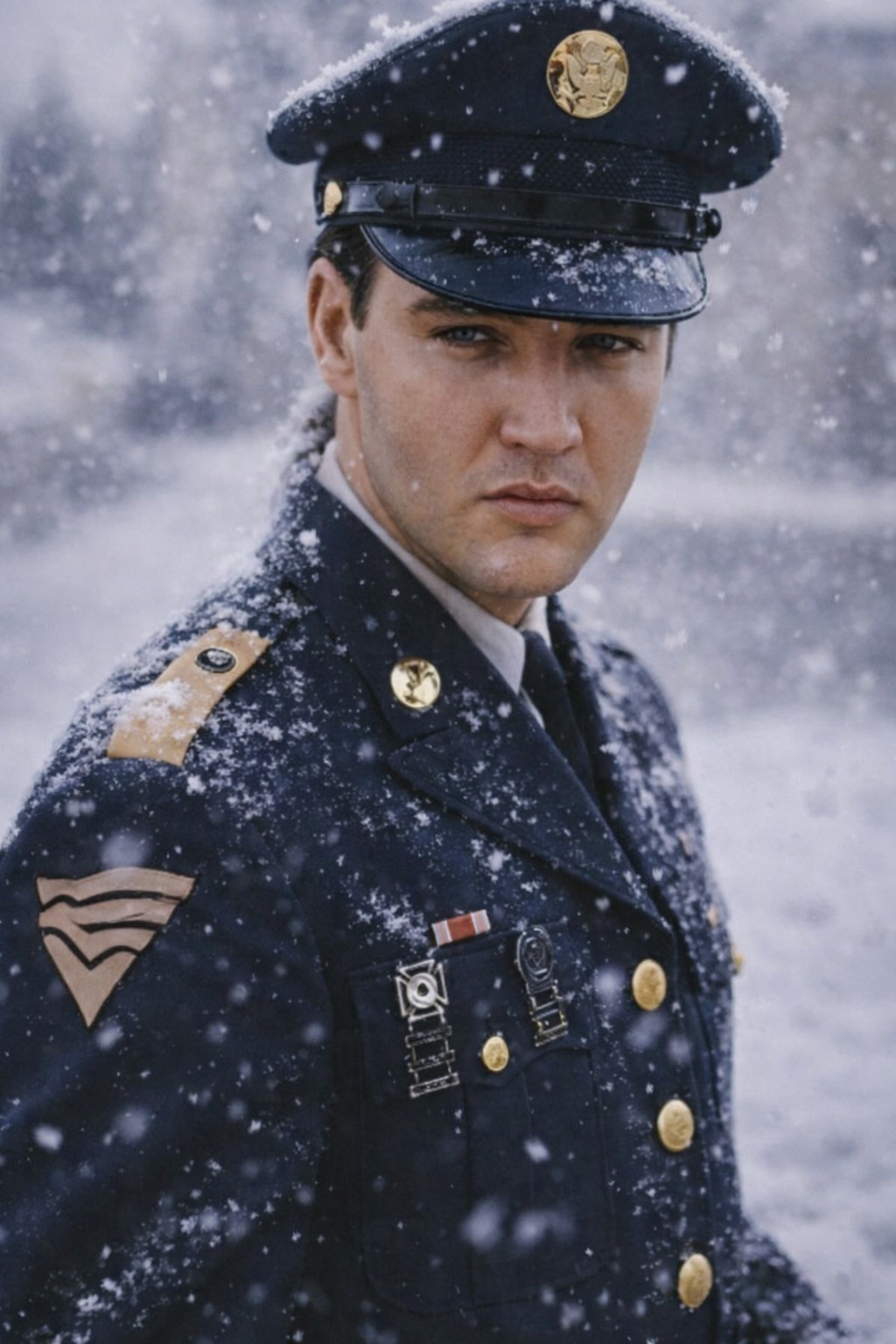
His official military induction took place at Fort Chaffee, Arkansas, generating a massive storm of national media headlines. The highly publicized moment he sat quietly in a barber’s chair to allow his iconic, rebellious pompadour to be completely shorn away signaled a major shift.
By refusing special treatment and rejecting an offer to join the Special Services—which would have allowed him to comfortably perform for the troops—the young star chose to experience the military exactly like any other citizen.
He was eventually stationed overseas with the 3rd Armored Division in Friedberg, West Germany. While serving in Europe, the global superstar traded his glamorous stage wardrobe for standard issue fatigues, driving military trucks and operating as a dedicated tank scout. He earned the genuine respect of his fellow platoon members not because of his Hollywood status, but through his daily work ethic and cooperative conduct.
A Triumphant Return and the Fort Dix Discharge
On March 5, 1960, the long-awaited conclusion of his active duty service arrived as Sergeant Presley was officially processed for his honorable discharge at Fort Dix, New Jersey. Shortly after his release, his train rolled into a snowy Memphis, Tennessee, where a crowded local transit station overflowed with thousands of cheering fans who had waited through the night.
Blinding cameras flashed and deafening cheers thundered across the platform, yet close observers immediately noticed a new, mature composure in his physical stance. At the highly anticipated homecoming press conferences, the singer completely refused to boast about personal sacrifice or complain about two years of lost professional earnings.
Instead, he spoke with great warmth about the vital structure, absolute accountability, and lifelong value of serving directly alongside other young men from diverse backgrounds. He firmly insisted that he had simply fulfilled the basic duties expected of any American citizen, displaying a grounded humility that resonated just as powerfully as his finest musical performances.

Turning Points and an Evolved Musical Depth
His defining years stationed in West Germany also marked a series of monumental personal turning points. It was during his European deployment that he first met a young Priscilla Beaulieu, the girl who would eventually become his wife.
The everyday realities of military life effectively grounded him, helping him mature far beyond the wild, controversial image that had defined his early mid-1950s breakthrough. Close friends later remarked that the strict discipline he absorbed in the motor pool permanently sharpened his professional work ethic and structured his future studio sessions.
When he finally returned to the recording booth to track legendary vocal performances like “It’s Now or Never,” listeners noticed a striking new depth, control, and richness in his delivery. The uniform was eventually folded up and safely stored away in a cedar chest, but the core lessons he learned in the service endured for the rest of his life.
He refused to credit his historic success solely to raw talent, always acknowledging the permanent value of personal responsibility and restraint. His military service record did not diminish his global legend; it humanized the man behind the music.
Frequently Asked Questions
What rank did Elvis Presley achieve during his military service?
Elvis Presley entered the army as a private and successfully earned his promotion to the rank of Sergeant (E-5) before completing his active duty service in 1960.
Where was Elvis Presley stationed during his time in the army?
After completing basic training at Fort Hood, Texas, he was assigned to the 3rd Armored Division and stationed overseas at Ray Barracks in Friedberg, West Germany.
Why didn’t Elvis Presley join the Special Services to perform for troops?
His manager, Colonel Tom Parker, and Elvis both realized that accepting an easy assignment or special treatment would alienate the general public and draw negative media criticism, so he chose to serve as a regular line soldier.
When was Elvis Presley officially discharged from active duty?
He was honorably discharged from active military duty on the morning of March 5, 1960, at Fort Dix, New Jersey, though he remained on standby reserve status for a few years following his return.